The significance music can have on a city could be immense. Many cities across the globe’s culture is directly tied to the music they produce or have produced. This can be seen with cities such as Manchester during the 1990s, Los Angeles at the dawn of the new millennium etc. But out of all these cities one who’s music is perhaps the most important to not only the tourists visiting it, but the people who live there. That city is of course Liverpool. In this podcast we will discuss a chronological timeline of the development of music in the city as well as the political and economic background to which said music was able to grow and flourish.
Post-War Decline
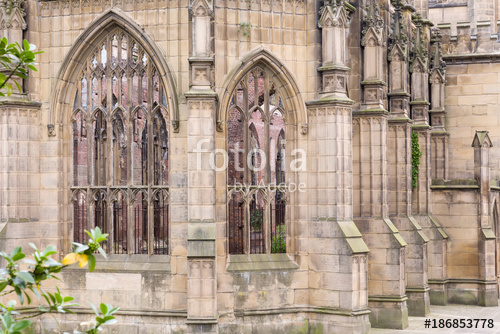
During wartime, Liverpool played a key part in its manufacturing of armaments and ships to be able support the British War machine. Furthermore, it supplied many of its citizens to fight in places such as France and North Africa during the the war. It must be noted that the residents of the Coastal city who were not on the front lines were not spared the horrors of the war, this can be seen in 1940 whereby 2,700 Liverpudlians were killed during air raids. There were 80 air raids of Liverpool alone that year. Another key event was the bombing of St. Luke’s Church. This is significant as it served as a symbolic site for Liverpudlians during the war as the inside may have been destroyed by the bombardment, but the structure itself stood strong even after the attack. This was a stark reminder of the resilience of the City and its people at the time. After the war had concluded, the docks fell into mass decline as a result of the need for weapons and ships being severely reduced. This affected the dockworkers as well as families throughout Merseyside due to the fact that they no longer had a place of work and thus ran into economic problems which would plague the North of England long after the war had finished. This directly led to the rise of underground music and ‘Jive Hives’ as a way for the workers of Merseyside to cope with the economic depression they found themselves in. A key moment in the development of ‘Merseybeat’ is the opening of the Cavern Club in 1957 which thus led to the genre of music spreading rapidly across Merseyside.
Development of Merseybeat
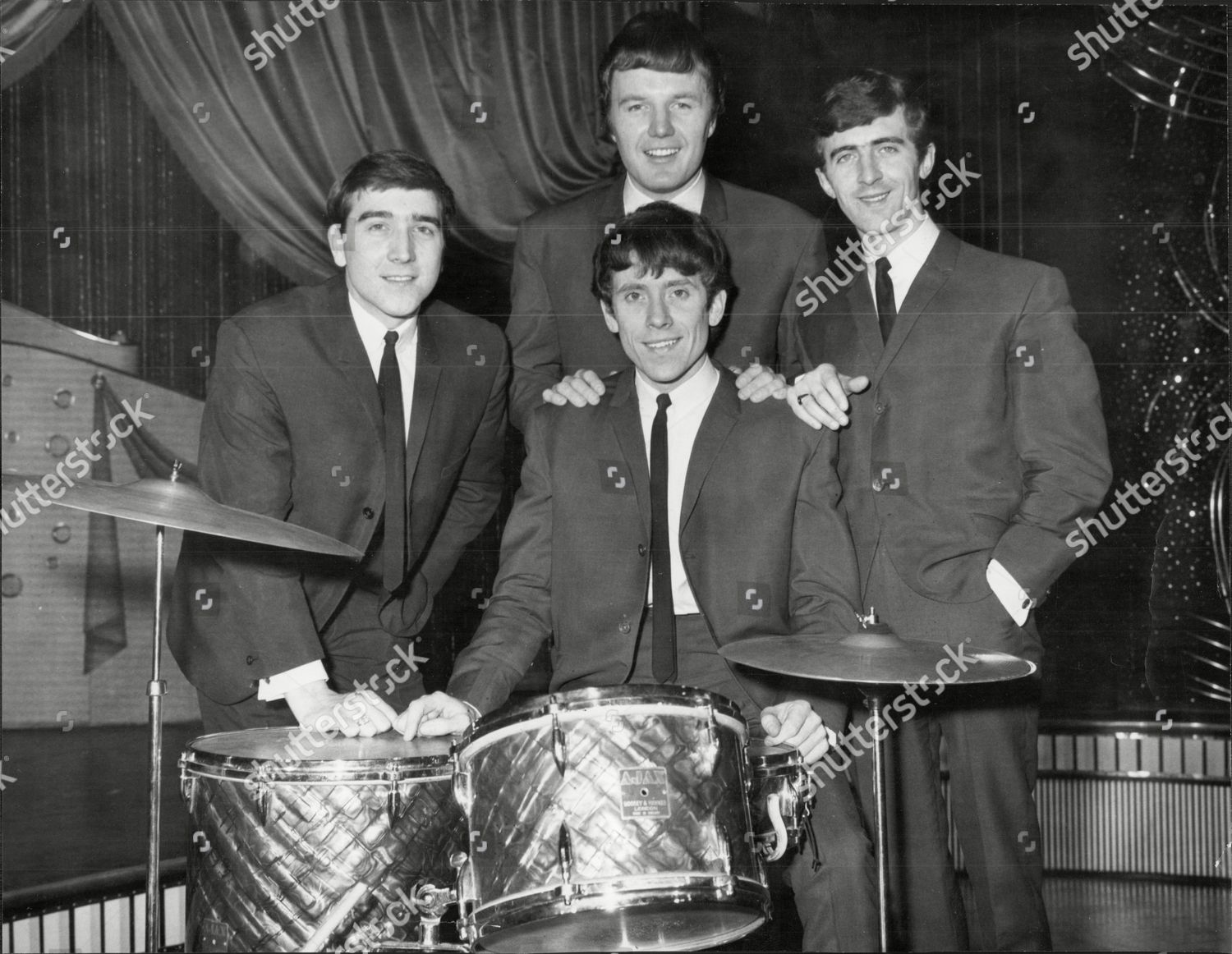
As well as the opening of the Cavern Club, this directly led to the formation of influential bands of the early 60s. This can be seen with the rise of popularity in bands such as Gerry and the Pacemakers, The Remo Four, Rory Storm and the Hurricanes and easily the most popular and successful of them all; the Beatles. As well buildings which symbolised the rise of this alternative genre of music, it also had a major publication which reflects the popularity and significance of this period in Merseyside music. This was called the Merseybeat and was first published in 1961. The idea of this newspaper was to allow its readers to hear about new upcoming bands from the Merseyside area as well as create a space for the listeners of the genre to hear about upcoming events and venues. The development of Merseybeat made way for ‘Jive Hives’ which were dance halls tailored for this new found sound as well as genres such as jazz, western, blues etc. This demonstrates the wide variety of musical styles which were all incorporated into ‘Merseybeat’. As well as what’s been previously mentioned; folk, country also helped develop this unique Northern sound. Another influential and almost revolutionary aspect of Merseybeat is the fact that it wasn’t just the lead singer who contributed to vocals, in some bands such as the Dennisons, Ray Scragg, whos role in the band was lead guitar, took to lead vocals on some records, such as ‘walking the dog’, which was unique at the time. The development of Merseybeat also led to a different style in which the music itself was actually produced. Most of the music at this time was recorded in 1-2 takes with all the instruments being played at the same time in a studio. This created an alternative listening experience different from that of the present day such as creating a more raw quality to it compared to a lot of contemporary music which is more processed.
The Beatles
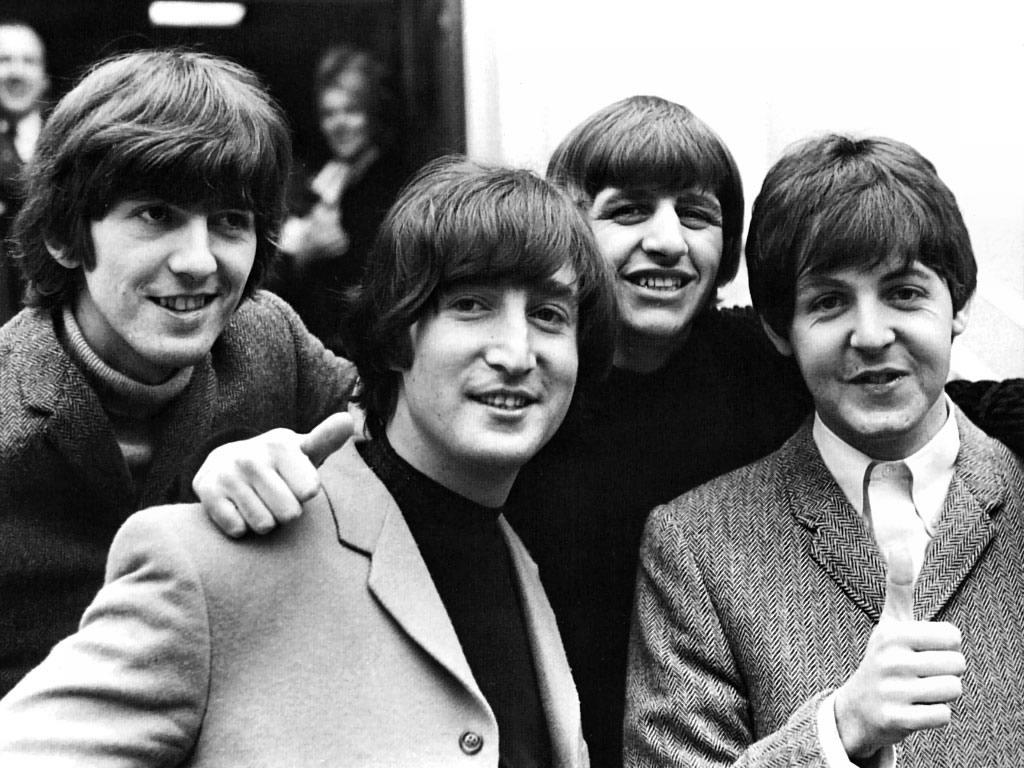
As mentioned before however, the most influential band during this period and one of the most iconic exports from Merseyside in general is absolutely The Beatles. In 1961 they performed their debut musical concert in the Cavern Club and charged £5 a ticket. They were almost destined to change the face of music and contest with social norms after George Harrison was almost denied admission due to wearing jeans to the performance. A year later in 1962 the Beatles were polled top Merseybeat band according to the newspaper of the same name which demonstrates their mass success immediately. Another way their success can be demonstrated is with the so called ‘British Invasion’ into the United States during the 60s. This reveals the mass global appeal of the Beatles and thus the significance they had on Merseyside in general. In 1998 the Beatles were voted the ultimate music of the millennium according to a Channel 4 survey which signifies the effect in which the Beatles had for the population of England to which citizens of Liverpool make a very small fraction of. In terms of global impact however, on 9th February 1964, 70 million Americans (which was 60% of the US television audience) watched the Beatles on the Ed Sullivan show. A year later the peak of the British invasion was achieved as 36 out of 110 songs in the US charts were from British acts. Another way in which the Beatles managed to capitalise on their success abroad was through their films which helped revive the musical and were incredibly popular. Their music was often used as a soundtrack for political, social and cultural upheaval, particularly in the US due it being rock n’ roll and rebellious to the accepted norm at the time. Another uniqueness to the Beatles can be found in the fact that they had their own production company, Apple. This allowed them to be more experimental with their records which characterises them immensely to the image a contemporary audience has of them. Overall as of 2019 they are the most successful band of all time with 600 million records sold worldwide with 277.4 million records certified. The success of the Beatles can be reflected with the rise of tourism during the 1960s as for some visiting Liverpool was a key part of being a Beatles fan and being apart of the fandom that had swept across the planet. For many hardcore Beatles fans it helped establish a deeper sense of connection to the Beatles.
The 1970’s and 80’s
In the early 60’s, Liverpool had introduced the most prominent and influential band in history. But in the years that followed, the city began to drastically crumble. During the 1970’s, a global crisis in the capitalist economy gradually led to decline, accompanied naturally by a steady rise in unemployment. Many factories and businesses across Merseyside were shut down, and the once prosperous docks had continued to deteriorate. By 1985, unemployment in Liverpool was twice the national average. Roughly 12,000 people a year were moving away from the city, and 15% of its land was left vacant or derelict. But for some, the rubble provided an opportunity. Due to the low cost of rent, empty warehouses and industrial buildings were often occupied by musicians. This allowed for close cooperation between creatively minded people, encouraging the development of particular sounds and music scenes such as post-punk. Even still, for many local artists, music became a ‘way out’ of the city. Throughout the decade, an intense quest for commercial success led to the emergence of Liverpudlian bands such as Echo & the Bunnymen, A Flock of Seagulls, OMD and Frankie Goes to Hollywood, just to name a few.

Those who remained in Liverpool fostered strong feelings of resentment towards the Conservative government, which had largely abandoned the city to suffer in its economic stagnation and urban decline. The sense of hopelessness, combined with racial tensions between Merseyside Police and the black community, fiercely erupted in the 1981 Toxteth Riots. A similar sentiment was reflected in the Liverpool based musical ‘Blood Brothers’, written by local playwright Willy Russell. Russell developed the musical for production at the Liverpool Playhouse Theatre in 1983. It contained themes relating to Class Divide, Money and Violence, things which were all too familiar in Merseyside during this period. However, such a moving story, with detailed and human characters, was met with critical acclaim. It did not take long for ‘Blood Brothers’ to become a foremost aspect of British musical theatre, as well as an international hit. To this day various productions are shown across the world, from London’s West End to Broadway and the US
Reinvention: 1990’s- Present
Meanwhile, back in Liverpool, attempts were made to help regenerate the city. For the duration of the mid 90’s Liverpool City council had recognised that music businesses could contribute to local economic growth, helping to produce more income and employment. A range of initiatives supported by domestic and European government bodies soon emerged, which aimed to provide such companies with the necessary training and support to help boost their public profile. Other programmes established a sort of ‘cultural quarter’ in order to focus investment towards a single concentrated area, in which musical and cultural businesses from across Merseyside could collaborate. This led to the inception of noteworthy bands, such as the La’s, the Wombats and the Zutons. All of who enjoyed some success throughout the early 2000’s. Subsequently, a rich cultural and musical heritage had developed locally, due to the enormous efforts made by government associations. Equally, the encouragement of tourism helped to revitalise the city. By capitalising on the popularity of the Beatles, in the form of festivals, shops, museums and tours, Liverpool attracted countless visitors with considerable spending power. Over recent times, Beatles-related tourism and merchandise has enriched Merseyside with around £20 million per year.

As a reward for its hard work and potential to improve further, Liverpool was named ‘European Capital of Culture 2008’. A justifiable title considering its lavish history of music and theatre. In preparation for this event, the city underwent a dramatic makeover. The Paradise Street Project invested £920 million into the opening of Liverpool ONE shopping centre, which has incurred incredible and unprecedented growth. Moreover, the construction of an 11,000 seat Arena has allowed the city to host numerous large scaled conventions and performances. In a similar fashion, Liverpool now hosts several music festivals each year, which celebrate and represent the different cultures within the city. The Liverpool International Music Festival evolved from Mathew Street Music Festival, the largest annual free music festival in the city, attracting over 200,000 visitors. And Africa Oye is the UK’s largest free festival of African Music. Therefore, it is no wonder that in 2015, Liverpool was honored with a ‘City of Music’ UNESCO. Overall, a general economic and civic revival of Liverpool has been in progress throughout most of the new millenium. The city’s economy has grown faster than the national average and its crime rate has witnessed a downward trend over the last 8 years. With total criminal accounts decreasing from 12,521 in February 2011, to 11,850 in February 2019.
In the case of Liverpool, as time passed by, things did progress. Despite a post war slump, persistent economic obstacles and an unemployment crisis, the city currently stands as a proud symbol of resilience and reinvention. Liverpool came back from the brink, largely due to investment in its own culture and heritage. A significant part of which being its musical past. In many ways, music is a part of every Liverpudlians identity and personal history.

 HIS1016 - The Significance of music in Liverpool